

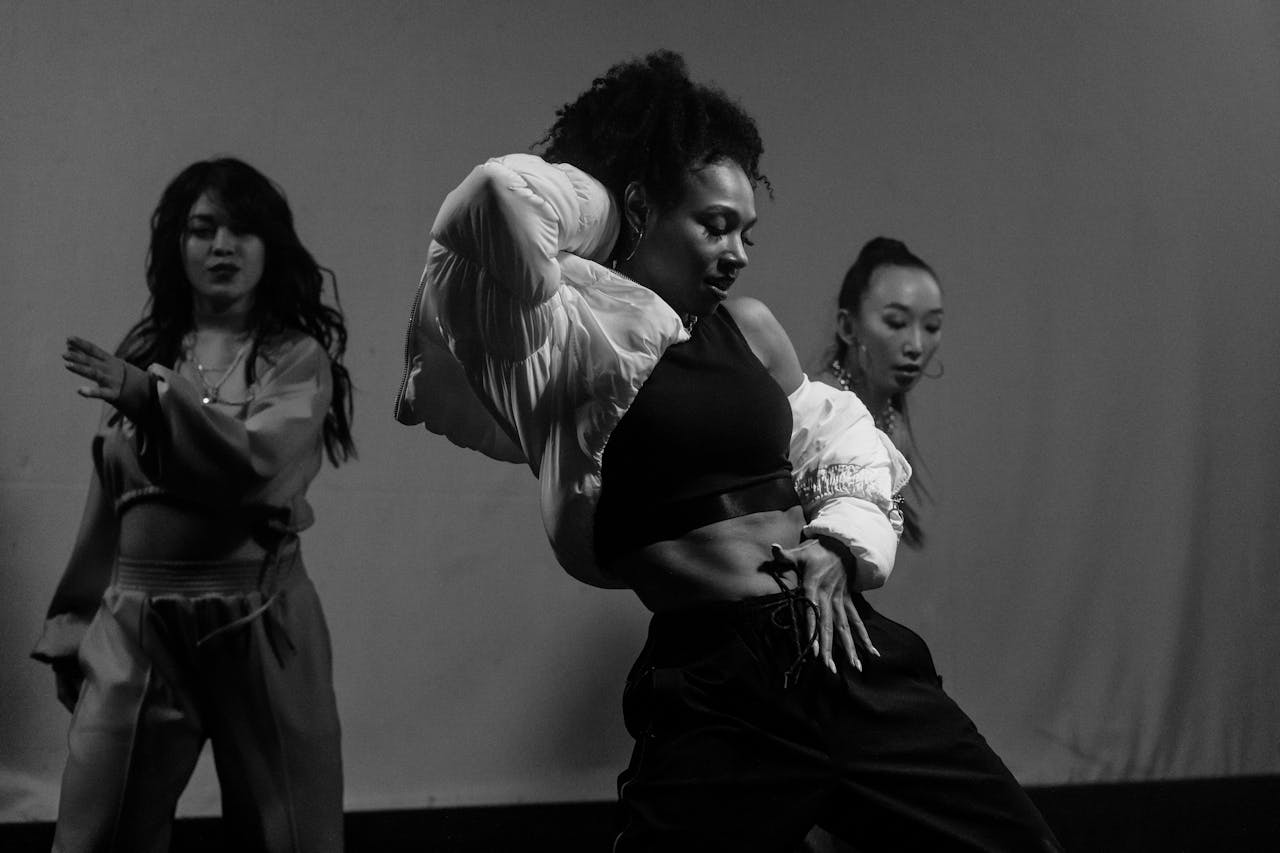
Introduction: Britain’s Beat Revolution
Few countries have influenced global dance culture like the United Kingdom.
From sweaty underground raves to world-famous festivals, the UK has constantly reinvented what it means to move to the beat. The story of British dance music is one of rebellion, creativity, and unstoppable energy — a sound that changed nightlife forever.
1. The Acid House Explosion (Late 1980s)
The roots of UK dance music trace back to the acid house movement of the late ’80s.
Imported from Chicago and Detroit, this hypnotic new sound — built on squelchy 303 basslines and relentless drum machines — found a home in Britain’s warehouses.
Illegal parties sprang up across Manchester, London, and beyond.
Events like Shoom and The Haçienda became legendary, symbolising freedom and unity at a time of political tension. Rave culture was born, and it spread faster than any government could contain.
Key artists: A Guy Called Gerald, 808 State, The KLF, The Shamen
2. The Rise of Rave and Hardcore (Early 1990s)
As the acid house scene grew, it splintered into new sounds — rave and hardcore.
These genres took the tempo up a notch, blending pounding breakbeats with euphoric piano stabs and vocal samples.
Events like Fantazia, Dreamscape, and Helter Skelter attracted tens of thousands. The energy was raw, the music was fast, and the DIY ethos defined a generation. Pirate radio became the heartbeat of the movement, with stations like Kool FM bringing the sound to every estate in the country.
Key tracks:
- “Charly” – The Prodigy
- “Let Me Be Your Fantasy” – Baby D
- “Hardcore Uproar” – Together
3. Jungle Takes Over (Mid-1990s)
From the chaos of hardcore came a darker, more rhythmic sound — jungle.
It fused ragga vocals, reggae basslines, and chopped-up breakbeats (the “Amen break”) into something wild and new.
Jungle wasn’t just music — it was identity. It represented multicultural London, the rise of black British creativity, and the raw sound of the streets. Clubs like AWOL and Rage were its temples, and MCs became stars in their own right.
Pioneers: Goldie, LTJ Bukem, Shy FX, DJ Hype
Goldie’s 1995 album Timeless proved jungle could be art, pushing the genre from the underground into mainstream consciousness.
4. The Birth of Drum & Bass
As production techniques advanced, jungle evolved into a more polished form: drum & bass.
This was the moment when UK dance music became a global export.
Drum & bass kept the fast tempo but swapped ragga samples for atmospheric synths, deep sub-bass, and complex drum programming. By the late ’90s, acts like Roni Size, Andy C, and Grooverider were headlining festivals worldwide.
Key moments:
- Roni Size winning the Mercury Prize for New Forms (1997)
- Fabric London opening its doors (1999), defining club culture for a new era
Drum & bass remains one of the most technically advanced forms of electronic music — and still uniquely British at heart.
5. Garage and the Mainstream Takeover (Late 1990s–2000s)
While drum & bass ruled the underground, another sound was bubbling up in London — UK garage.
Born from house and R&B influences, it was slick, soulful, and dancefloor-friendly.
Artists like Artful Dodger, Craig David, and MJ Cole brought garage into the charts, while pirate radio kept the underground edge alive.
Two-step beats, vocal hooks, and a touch of swagger made garage the sound of the millennium.
Eventually, garage would morph again — spawning grime, dubstep, and even influencing modern UK pop.
6. The Digital Revolution and EDM Boom (2010s)
The 2010s saw UK producers dominate global charts.
Acts like Calvin Harris, Disclosure, and Chase & Status bridged the gap between underground credibility and mainstream success.
Meanwhile, festivals like Creamfields, Boomtown, and Parklife became cultural institutions. Dance music wasn’t just for clubs anymore — it was a global industry.
Streaming services and social media transformed how fans discovered new tracks. Bedroom producers could upload a tune to SoundCloud on Monday and be playing Glastonbury by Sunday.
7. The Modern UK Sound (2020s–Present)
Today, UK dance music is more diverse than ever.
From the heavy basslines of drum & bass revivalists to the atmospheric grooves of house and techno, there’s no single sound — only creativity.
Genres constantly blur: artists mix breakbeat with soul, techno with afro-rhythms, and everything in between.
Producers like Fred again.., TSHA, Eliza Rose, and Peggy Gou (adopted by the UK scene) continue to evolve the culture while keeping its spirit alive.
8. The Future: Community and Connection
Despite its evolution, the heart of UK dance music hasn’t changed — it’s still about connection.
From the earliest raves to modern-day club nights, the goal remains the same: unity on the dancefloor.
As AI, streaming algorithms, and new technologies reshape the industry, the UK continues to lead with innovation. The next big sound is already being cooked up in a bedroom somewhere in Birmingham or Bristol.
Conclusion: The Beat Goes On
The story of UK dance music is a story of reinvention — from underground rebellion to global phenomenon.
It’s the pulse of a culture that refuses to stand still, always pushing forward, always experimenting.
Whether it’s jungle, garage, grime, or drum & bass, one thing’s for sure — the rhythm of the UK will keep the world dancing.